The Ultimate Guide to Understanding Carbon Credits in 60 Seconds
What is a Carbon Credit?
In its simplest form, one carbon credit represents the removal or avoidance of one metric ton of carbon dioxide (or an equivalent greenhouse gas) from the atmosphere. Think of it as a “permit” to emit a specific amount of pollution, or conversely, a “reward” for capturing it.
Companies that reduce their emissions below a specific limit can sell their excess credits to other companies that are struggling to meet their environmental targets. This creates a financial incentive for every business to become as green as possible as quickly as possible.
The Two Main Types of Markets
To understand the current landscape, you must distinguish between the two primary ways these credits are traded:
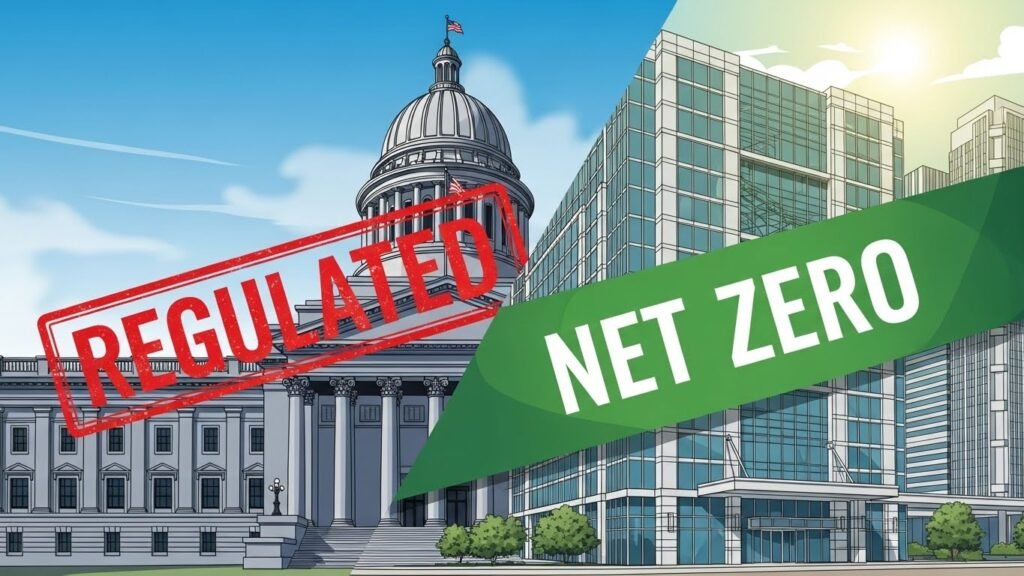
- Compliance Markets: These are mandatory systems regulated by governments (like the EU Emissions Trading System). Companies are given a “cap” on how much they can emit. If they exceed it, they must buy credits or face heavy fines.
- Voluntary Markets: Companies like Microsoft and Google buy credits to reach “Net Zero” goals, even if the law doesn’t require it. This market is smaller but growing rapidly in 2026.
Nature-Based vs. Tech-Based Credits
As of January 2026, the market is divided into two major project types:
- Nature-Based Solutions: These involve planting forests, protecting existing jungles, or restoring wetlands. These are popular because they are relatively affordable ($7 to $24 per ton).
- Tech-Based Removals: These use “Direct Air Capture” (DAC) machines to suck CO2 straight out of the sky. While much more expensive (up to $500 per ton), they are considered “high-quality” because they are permanent and easier to measure.
Why 2026 is a Turning Point
This year is significant because of the “Flight to Quality.” In the past, many carbon credits were criticized for being “low quality”—meaning the promised trees weren’t actually planted or the carbon wasn’t permanently stored.
In 2026, new international standards, such as the Core Carbon Principles (CCPs), have cleared the air. Investors now demand proof that a credit is “Additional” (meaning the project wouldn’t have happened without the money from the credit) and “Permanent.”

5 Things to Remember (The 60-Second Recap)
- 1 Credit = 1 Ton of CO2.
- Cap-and-Trade: Governments set limits; companies trade the difference.
- Net Zero: Buying credits is often the final step for a company to “cancel out” its remaining footprint.
- Quality over Quantity: Not all credits are equal; transparency is now the top priority.
- Market Growth: The total market is projected to reach over $1.2 trillion this year.
Common Mistakes to Avoid
- Confusing Credits with Offsets: While the terms are often used interchangeably, “credits” usually refer to regulatory permits, while “offsets” refer to voluntary actions to balance emissions.
- Assuming All Credits are Permanent: A forest can burn down, releasing the carbon back into the atmosphere. This is why tech-based removals are gaining so much value in 2026.
- Ignoring Double Counting: A significant risk is when two different companies try to claim the same carbon credit. Modern blockchain tracking is currently solving this issue.

Practical Steps for Individuals
While most trading happens at the corporate level, you can still participate in the “Green Economy”:
- Look for Certified Products: Check if the brands you buy use “Gold Standard” or “Verra” certified credits.
- Calculate Your Footprint: Use an online tool to see how many tons of CO2 your lifestyle produces annually.
- Support Local Restoration: Often, the best “credits” are the ones you can see—supporting local tree-planting initiatives in your community.

Conclusion
The carbon credit market is no longer a “niche” environmental tool; it is a fundamental part of the global economy in 2026. By putting a price on pollution, the world is finally using the power of the market to drive the transition to a sustainable future. Whether through protecting the Amazon or building giant air-capture machines in Iceland, carbon credits provide the funding necessary to make global cooling a reality.