
5 Global Headlines Impacting the Economy Right Now
he start of 2026 has brought a complex set of challenges and opportunities to the forefront of the international financial stage. As we move deeper into January, investors and policymakers are navigating a landscape defined by shifting trade alliances, cooling inflation, and the undeniable influence of technological shifts. Understanding world economy news is no longer just for financial analysts; it is essential for anyone looking to protect their purchasing power and plan for the future.
This week, several key stories have emerged that are reshaping market expectations for the year ahead. From the United Nations’ latest growth forecasts to significant policy shifts in the United States and Asia, here are the five most critical headlines impacting the global economy right now.
1. UN Forecasts Subdued Global Growth for 2026
In its flagship report released on January 8, 2026, the United Nations warned that global economic output is expected to slow to 2.7%. This is a slight decrease from the 2.8% estimated for 2025 and remains well below the pre-pandemic average of 3.2%. The report highlights that while the global economy has shown resilience against recent shocks, “underlying weaknesses” persist.
Subdued investment and limited fiscal space in many developing nations are the primary concerns. For the average person, this suggests that, while a major global recession is not the baseline forecast, the “cost-of-living squeeze” will likely continue as growth fails to keep pace with rising expenses in many regions.
2. US Trade Policy and the “Tariff Truce.”
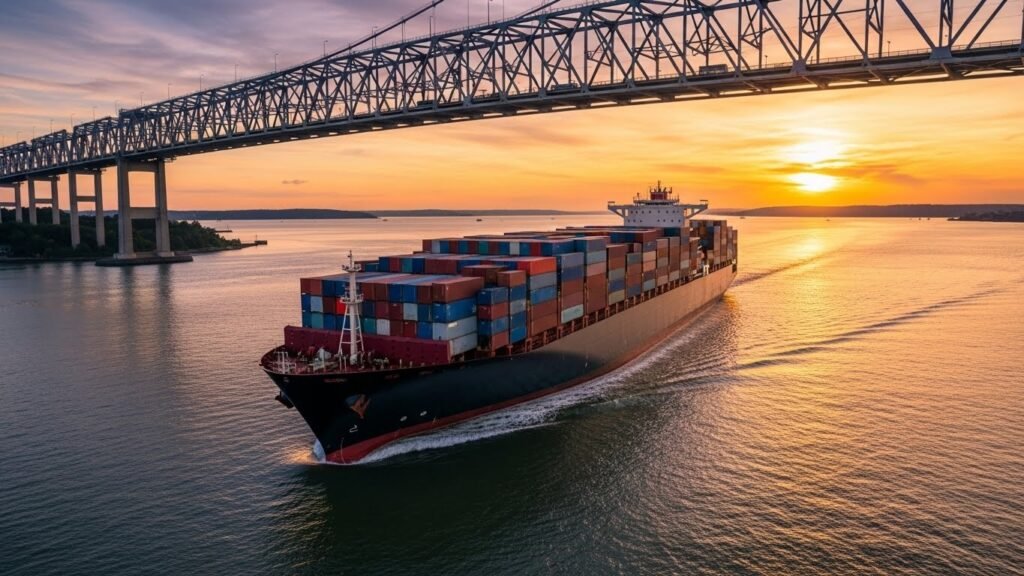
A major driver of market sentiment this week is the evolving trade relationship between the United States and its major partners. While the US implemented significant tariffs in early 2025, a recent “truce” has helped stabilize international commerce. However, the UN report notes that the delayed effects of these higher tariffs are expected to become more evident throughout 2026.
In the US, while inflation is generally trending downward, analysts warn that exporters may soon stop absorbing tariff costs, potentially pushing consumer prices back up by mid-year. This creates a delicate balancing act for the Federal Reserve as it considers further interest rate cuts.
3. China’s “K-Shaped” Economic Recovery
Recent reports from Citi Research and other major institutions highlight an entrenched “K-shaped” recovery in China. The “New Economy”—driven by high-tech exports and Artificial Intelligence—is seeing robust growth. In contrast, the “Old Economy”—particularly the property sector and domestic consumer demand—continues to lag.
China is expected to maintain a growth target of around 5% for 2026. However, the macro-micro disconnect remains a challenge; while tech successes may lift stock markets, household confidence in China remains near pandemic lows. This divergence matters globally because China remains a primary driver of demand for raw materials and luxury goods.
4. Global Inflation Eases, but Prices Remain Sticky
A central theme in world economy news this week is the continued descent of global headline inflation. Projections suggest inflation will slow to 3.1% in 2026, down from 4.0% in 2024. While this is positive news for central banks, the reality for households is different.
“Even as inflation recedes, high and still rising prices continue to erode the purchasing power of the most vulnerable,” noted the UN Under-Secretary-General for Economic and Social Affairs. This “sticky” pricing in essential sectors like food, energy, and housing means that the emotional and financial strain on families may not disappear as quickly as the official data suggests.

5. The AI Investment Wave and Productivity Gains
Investment in Artificial Intelligence continues to be one of the few areas showing explosive growth. J.P. Morgan Global Research estimates that the “AI supercycle” is driving above-trend earnings growth for major tech firms. There is significant hope that AI adoption will eventually lead to broad-based productivity increases, which could act as a counterweight to aging populations and slowing labor markets in developed economies.
However, some brokerages warn of “valuation risks” and “market concentration.” The concern is that the benefits of AI are currently concentrated in a few large markets and companies, which could widen structural inequalities between nations if not managed through global coordination.
Practical Steps to Navigate Economic Uncertainty
Given these headlines, how should you adjust your financial strategy?
- Maintain a Diversified Portfolio: With “K-shaped” recoveries and uneven growth, spreading your investments across sectors (such as tech, green energy, and healthcare) and regions is more important than ever.
- Monitor Real Interest Rates: As inflation falls, the “real” cost of debt (interest rate minus inflation) can actually rise. If you have variable-rate loans, look for opportunities to refinance.
- Build an Emergency Buffer: With global growth expected to be “subdued,” having 3–6 months of living expenses in a high-yield savings account provides a necessary safety net against a softening labor market.

Common Mistakes to Avoid
- Reacting to Short-Term Volatility: Economic news can cause daily market swings. Avoid making permanent changes to your long-term investment plan based on a single week’s headlines.
- Over-Leveraging in Tech: While the AI wave is real, avoid putting all your capital into a single sector. Remember the “valuation risks” mentioned by analysts.
- Ignoring Local Economic Indicators: While global news is essential, local factors like regional tax changes or job market trends in your specific city often have the most direct impact on your wallet.
The Role of Global Coordination
A recurring theme in this week’s world economy news is the need for “deeper global coordination.” Whether it is managing trade tensions, tackling climate-related shocks, or ensuring the benefits of AI are shared, the world is too interconnected for any nation to succeed in isolation. As we move through 2026, the success of the global economy will depend primarily on whether policymakers can shift from inward-looking strategies to collective action.

Conclusion
The economic headlines of January 2026 paint a picture of a resilient but cautious world. While we are seeing a welcome decline in inflation and a surge in technological innovation, the road ahead is tempered by trade frictions and uneven growth. By staying informed through a regular check of world economy news, you can better understand the forces at play and make more confident decisions for your financial future.
The “K-shaped” trends and the “tariff truce” are indicators that we are in a transition period. Success in this environment requires a focus on quality, diversification, and a long-term perspective.